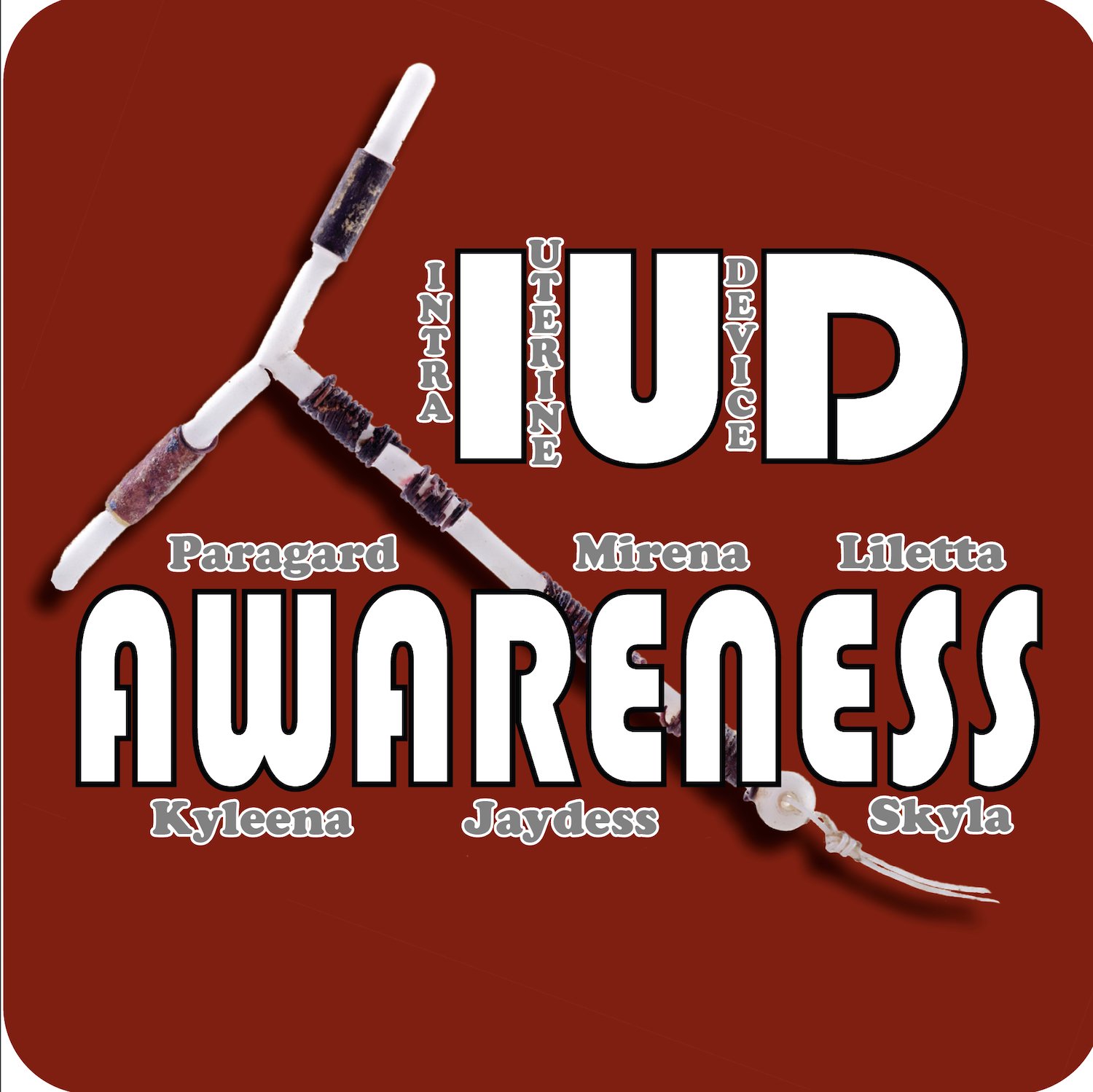

Info About Problems & Recovery
by IUD Survivors & Health Professionals
Disclaimer:
Resources listed here are for informational purposes only and are not to be taken as recommendations.
Do your research and make your own informed health choices.
Removal / Copper IUDs / Hormonal IUDs /
Healing Protocols / MTHFR / Hair Testing / Copper Toxicity / Detox /
Acne / Anxiety & Depression / Auto-Immune Disorders / Back Pain/
Bacterial Vaginosis (BV) / Cancer / Cysts / Endometriosis / Fibroids/
Hair Loss / Pain / Period Problems / Pregnancy /
Vulvodynia / Weight Gain / Yeast Infections
IUD Removal
“…I am adamantly against IUDs. Actually I will not treat a woman more than once, if at all, if she is using an IUD because it’s a certainty that it’s causing some, if not all of, her problems. I haven’t seen an exception yet.”
-Dr. Gangemi


IUD Removal: FAQ’s Answered (And More!)
(Talking IUC With Dr. D)
Jan 6, 2019 - Dr Kristina Dervaitis
How to Remove IUD Yourself
Dec 16, 2018 - Irina Maryanchik, EHH-MA
DIY: IUD Removal?!
Feb 28, 2017 - The Doctors
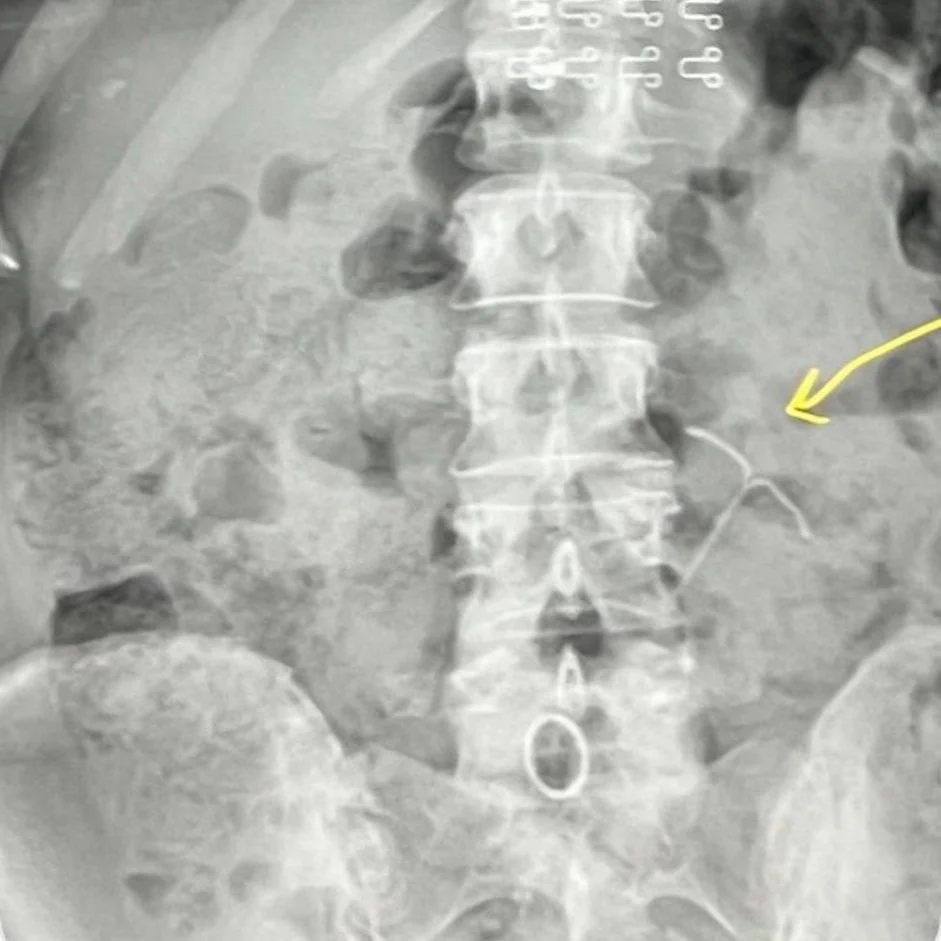




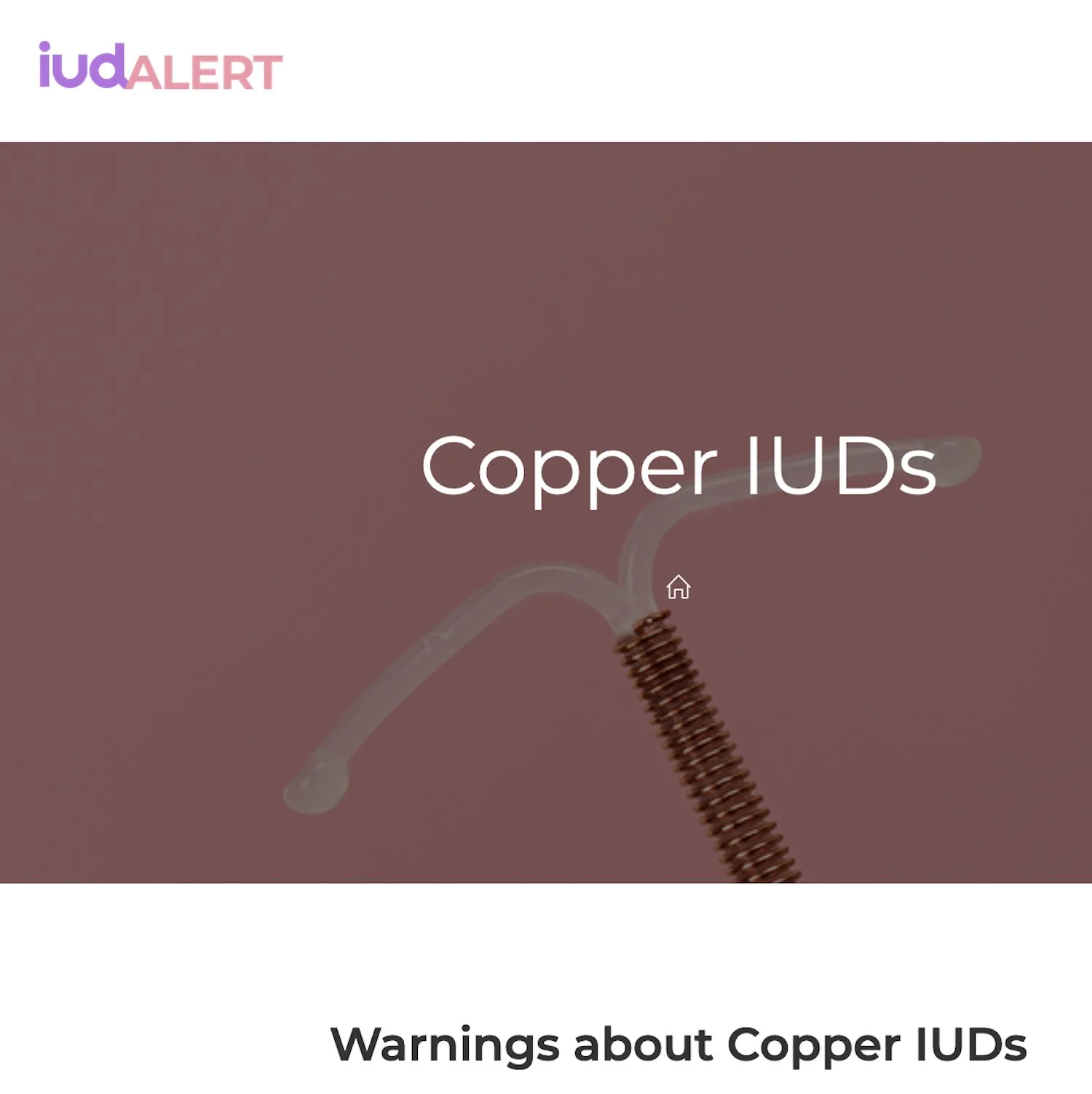
Copper IUD Info






Hormonal IUD Info





Methylation & MTHFR




MTHFR - Understanding Gene Mutations & Epigenetics
FACEBOOK GROUP with lots of discussions about IUDs

MTHFR Mutation?
Oral Contraceptives Not Recommended
March 16, 2012 - Dr. Ben Lynch

A must-read article about copper toxicity and MTHFR disorder!
November 1, 2016 - Heal From Copper

Dirty Genes | MTHFR, Folic Acid, and Your Fertility
March 6, 2020 - Dr. Ben Lynch, ND

Dirty Genes
January 30, 2018 - Ben Lynch ND.

Epigenetics, Methylation, MTHFR & the Brain, Made Easy...er
8/11/2015 - Courtney Snyder, MD
Hair Testing (HTMA)




13 Reasons To Get a Hair Mineral Analysis Test
By Wendy Myers

Unlocking Human Performance with Hair Mineral Analysis
By Wendy Myers

Hitting the Nutrition Bulls Eye!
Hair Tissue Mineral Analysis (HTMA)
July, 2014 - Rick Malter, Ph.D

Hair Tissue Mineral Analysis - HTMA
Advanced Nutritional Science


Copper Toxicity
"Birth control pills and copper IUDs (intra-uterine devices for birth control) . These two birth control methods definitely affect copper metabolism in the body. While some women can handle them, others experience depression, anxiety, personality shifts and many horrible side effects from them, either acute or chronic. This aspect of women’s “sexual revolution” has probably caused more disasters in women’s health than any other. "
-Dr Lawrence Wilson

COPPER AND YOUR HEALTH
by Dr. Lawrence Wilson - May 2017


Hidden Copper Overload
Jul 21, 2011 - Ann Louise Gittleman

Guide to Sources and Symptoms of Toxic Metals
by Wendy Myers

Copper Toxicity and How to Reduce Elevated Levels
Cynthia Perkins - December 5, 2012

Copper Overload: Do You Have It and What Can You Do About It
Melissa Diane Smith, 1999

Most Health Issues Stem from Copper Dysregulation - PART 1
with Morley Robbins
Myers Detox Podcast #90

Copper Toxicity: A Common Cause of Psychiatric Symptoms
by Judy Tsafrir M.D
September 11, 2017 - Psychology Today

Copper Overload - Too Much of a Good Thing
6/11/2015 - Courtney Snyder, MD

Walsh Research Institute
”Unfortunately, many persons have a genetic inability to regulate copper levels and a serious copper overload can result. Causes of copper overload range from metallothionein SNP mutations, zinc deficiency, environmental copper exposures, copper-rich foods, birth control pills or copper IUDs, and hormonal therapy.” - William J. Walsh, PhD


Detox Protocols




Acne


Anxiety / Depression







Autoimmune Disorders


Back & Pelvic Pain




Bacterial Vaginosis - BV


Cancer


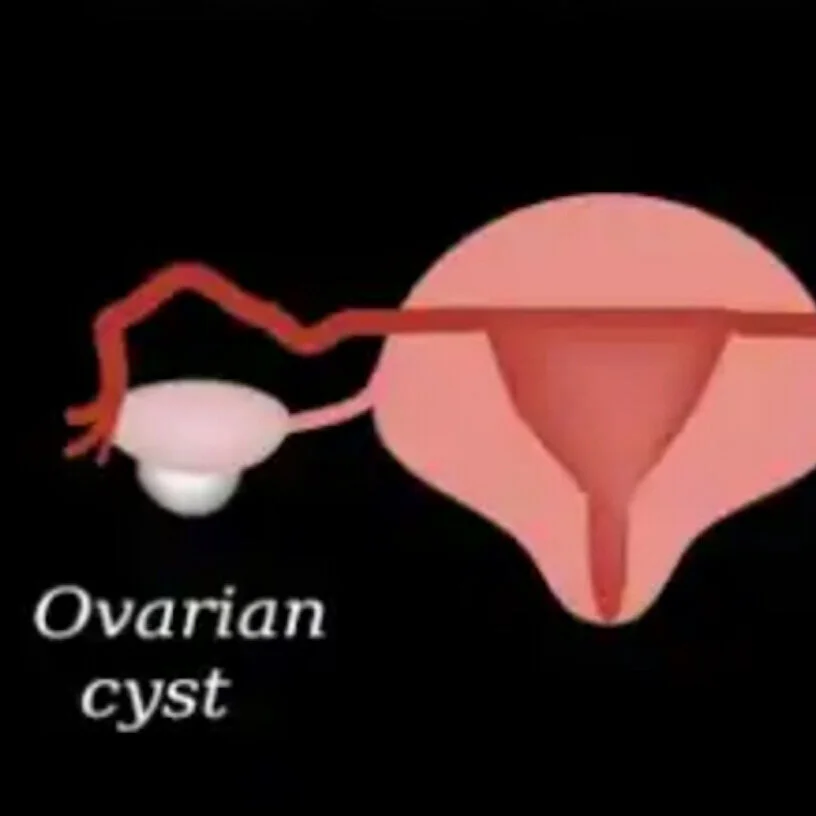
Cysts in Breast & Ovaries


Endometriosis


Fibroids

Hair Loss


Hormonal Imbalances


Period Problems


Pregnancy




Weight Gain & Loss




Yeast Infections


Vulvodynia (Painful Sex)


- 2015
- 2016
- 2017
- 2018
- 2019
- 2020
- 2020-2
- 2021
- 2021-2
- 2022
- 2022-2
- 2023
- Abdomen Pains
- Abnormal Bleeding
- Acne
- Anemia
- Anger
- Anxiety
- Auto-immune Disorders
- Back Pain
- Bacterial Vaginosis BV
- Bloating
- Blood Clots
- Brain Fog
- Broken IUD
- Cancer
- Coercion
- Copper IUD
- Copper Toxicity
- Cost
- Cramping
- Cysts
- Dalkon Shield
- Depression
- Detox
- Dismissal
- Dizziness
- Early Removal
- ectopic pregnancy
- Embedded
- endometriosis
- ER Visits
- Estrogen Dominance
- Expulsion
- Fatigue
- Hair Loss
- Hair Test
- headaches
- Heart Palpitations
- Heavy Bleeding
- Heavy Periods
- Hormonal IUD
- Hormonal Problems
- Hysterectomy
- Imaging
- Improvement after Removal
- Infection
- Infertility
- Inflammation
- Insomnia
- Irritability
- IUD Alert
- Kyleena
- Lawsuit
- Loss of Libido
- Medications
- Memory Loss
- Mental Health Problems
- Migraine
- Migration
- Mirena
- Mood Changes
- Nausea
- Pain
- Painful Insertion
- Painful Periods
- Painful Sex
- panic attacks
- Paragard
- PCOS
- Pelvic Pain
- Perforation
- Period Changes
- PID
- PMS
- Poking Partner
- Politics
- Postpartum Insertion
- Pregnancy
- Refused Removal
- Removal
- Reproductive Justice
- Skin Problems
- Skyla
- Spotting
- Surgery
- Thyroid Problems
- vision problems
- Weight Changes
- Yeast Infection
IUD Damage
Dr. Gangemi