
IUD Found Behind Intestines after Miscarriage
/Received today via message with a request to share:
I'd like to share my story my story with Paragard IUD.
January 6th 2022 I went to a physician of a well name facility it was she only place that accepted my insurance. I was 4months postpartum after having my 3rd child, I decided to go for a long term birth control with out needing surgery for a tubal. I never had surgery before so getting so the idea of having a tubal petrified me, I also chose paraguard because hormonal birth control effected me in a negative way.
I went into my appointment and everything seemed normal, once the procedure started I felt a very sharp pain when she inserted it, she is as like " oh you have those retroverted uterus!" I'm like yeah is that a problem? She then says " oh no your totally fine!" I then asked her " can you please trim my strings a little bit the last time I had an IUD my husband felt them." She then said " I'll just tuck the strings behind your cervix." I looked at her all confused and asked " your going to what? Is that even possible it's not going to cause an issue?" She looked at me and said she does it for everybody!
I trusted her judgement after the insertion I got up and immediately felt a sharp pain. I could barely walk and even sit in my car. I basically had to surfboard myself into my car and my step father had to drive for me. The pain went away after two days and I had my normal period for approximately 2 months.
April came around and I didn't get my period, things seemed off so I decided to take a pregnancy test and it came out positive! I immediately rushed to the hospital and the doctors there couldn't figure out what was wrong I had pregnancy hormones fluctuate up and down and no one could figure out why, they hardly saw my IUD on an ultrasound so they referred me to my old Obgyn. When I got to him he did more blood work and more imaging.
They determined I was pregnant and lost the baby at around 5-6 weeks because fluctuating levels and I started bleeding, but the problem was THEY COULDN'T FIND MY IUD! my obgyn asked me if the physician who placed it did an ultrasound afterwards to verify she placed it right I said no but I was in severe pain afterwards. My obgyn looked at me and asked " why she is supposed to do an ultrasound and you are not supposed to be in pain after insertion not that amount of pain where you can't sit."
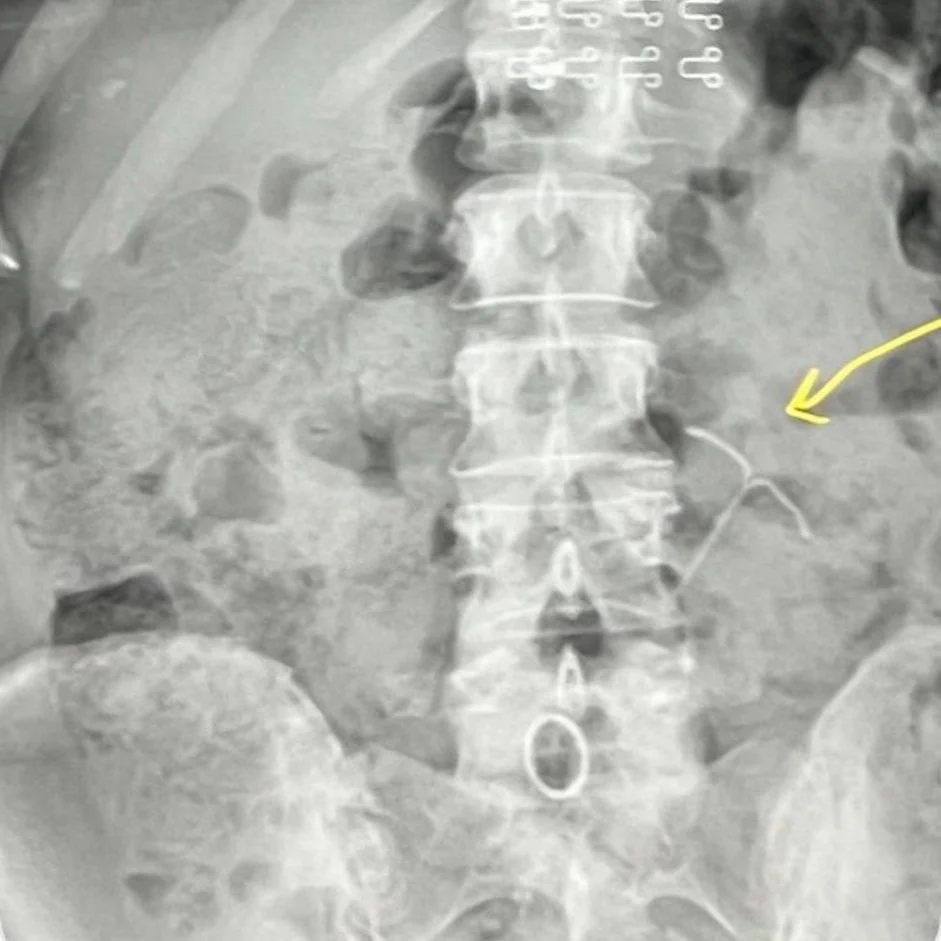
They decided they needed to do an exploratory laproscopy to search for my IUD my first surgery ever was to find my IUD I was livid and scared. For 3 weeks i was scared to do anything because I had no idea where my IUD was in my body and if it was going to poke any of my organs or possibly kill me. Surgery day came and I faced my fears to find out my IUD was behind my intestines and not where it was suppose to be at all. I had the tubal ligation while I was in surgery to get it done with.
My obgyn said he strongly feels the other physician possibly missed my whole uterus or where ever it's suppose to go or we have no idea how she did it. But if I hadn't did my pregnancy test and gone with my gut feeling I would have gone with out knowing my IUD was gone and it could have potentially done more harm to me.











Go Fund Me
August 18, 2024