
Hormonal Contraception And Mental Health: How Worried Should You Be?
/
…..'NHSBSA does not have access to a centralised database of medical records nor does it receive any information about a patient's medical condition or diagnosis'.
Following this response, I decided to try NHS digital. They told me that they 'don’t hold any demographic data'.
Why does this matter? Well, put simply, it means that the NHS is not monitoring women who are concurrently talking hormonal contraception and being treated for mental health issues in the way that a country like Denmark is. It matters because it means that we don’t know exactly how many women are experiencing negative mental health side effects as a result of their contraception.
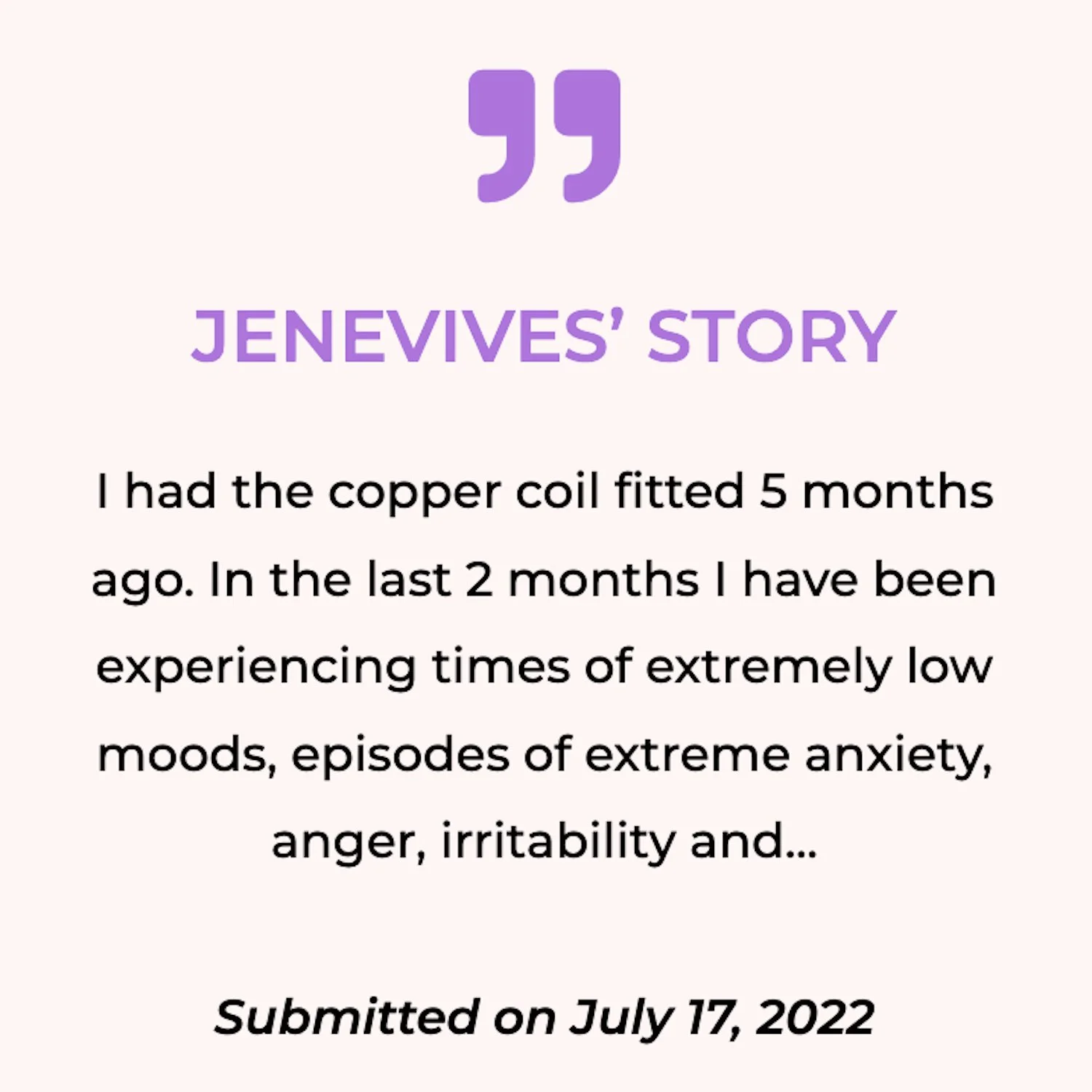
While some women not only report experiencing no issues with hormonal contraception, some report positive side effects such as easing of PMS and clearer skin, others say it makes them feel anxious and depressed….
….As with so many areas of women’s health, this is one where more research is needed. Without that research, women are left to discuss the pitfalls of the pill and its counterparts amongst themselves. Only this week did someone I know post on Instagram that she had been dismissed by her GP when she said that she thought the pill was making her depressed. Over a hundred women commented on her post, saying they had had a similar experience.
So, what’s going on? And, how concerned should women be?…..
….We know that there is an established link between hormonal contraception and mental health side effects. What we need is more research to enable those affected to make informed choices. We don’t want women to abandon their contraception and face an unwanted pregnancy but, equally, we can’t make informed choices without information….









March 25, 2023
Nutritional Balancing